.png)
Pulsing Light Therapy: What It Is and Why It Matters

You’re hearing a lot about “frequency” and “pulsing light.”
Some of it is real.Some of it is marketing.
Let’s break it down so you actually understand what your body is experiencing.
Light already has a frequency. That is what determines its color. Red light and near infrared light operate at extremely high frequencies that are built into the light itself. That part does not change.
When we talk about pulsing light, we are not changing the light’s frequency. We are changing how it is delivered.
Pulsing simply means the light turns on and off very quickly. That on and off pattern creates a pulse rate, measured in hertz. For example, 10 hertz means the light pulses 10 times per second.
So instead of a constant stream of energy, the body receives rhythmic bursts.
That distinction matters.
Continuous light is like holding steady pressure. Pulsed light is like tapping. The total energy might be similar, but the way the body responds can be very different.
One of the biggest advantages of pulsing is that it allows higher peak intensity without overheating tissue. The light delivers energy during the “on” phase and allows a brief recovery during the “off” phase. This can help drive energy deeper into the body while keeping the experience comfortable.
There is also growing interest in how cells respond to rhythm. The body is not passive. It is electrical and highly responsive to patterns. Pulsing appears to influence mitochondrial activity, cellular signaling, and nitric oxide release in ways that continuous light may not.
Some pulse ranges are even being studied for their interaction with the nervous system, particularly in areas related to relaxation, focus, and cognitive function. This research is still developing, but it is one of the reasons pulsed light therapy is gaining attention. Folks, we are ahead of the game!
It is important to stay grounded here. Pulsing light does not create a new type of light or a magical healing frequency. What it does is change the timing and delivery of energy. That alone can make a meaningful difference.
Rumors vs Facts
Rumor: Pulsing light creates a special healing frequency in the light itself.
Fact: The wavelength of the light does not change. Pulsing only changes the timing of how energy is delivered. This creates a frequency separte from the light itself. The light has frequency that never changes. The pulsing adds a frequency.
Rumor: Pulsed light is always better than continuous light.
Fact: Both have value. Pulsing may enhance certain responses, but outcomes depend on dose, wavelength, and consistency.
Rumor: More intensity is always better.
Fact: The body responds best to the right dose, not the highest dose. Too much energy can reduce effectiveness.
Rumor: This is all fully proven science.
Fact: Some benefits are well supported. Others, especially around brain and frequency-specific effects, are still being studied.
Why This Matters
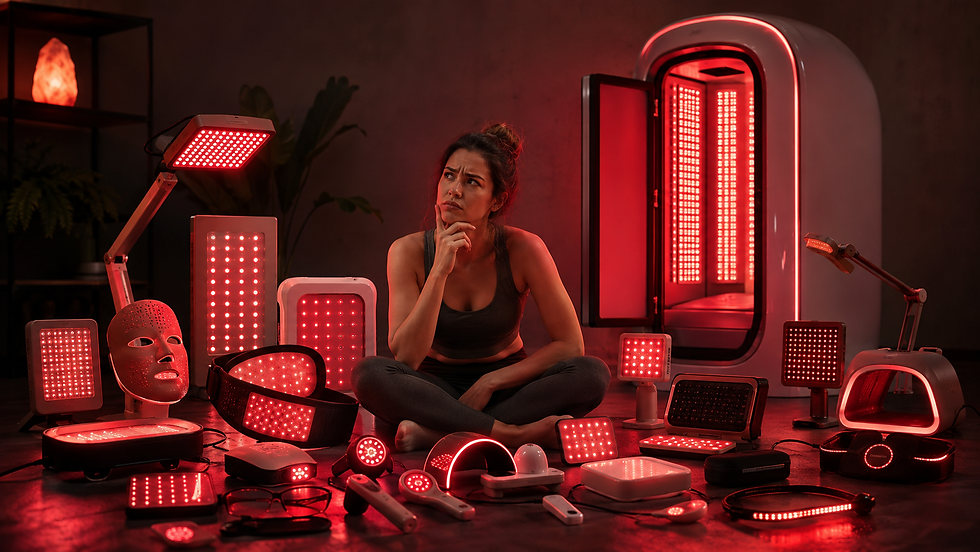
At The Wellness Center, we use full body pulsing red light therapy rather than small, stationary panels.
That means you are not just treating one area. You are creating a systemic response.
We combine:
• Full body exposure
• Pulsed delivery
• Vibration support
The goal is not just more light.
It is delivering light in a way your body can actually use.
Not just more light.
Better delivery.


Comments